






 November 7, 2024
Although Parkwood Estate has one of the earliest elevators installed in a private residence, its owner, founder of GM Canada Samuel McLaughlin allegedly did not mind using the grand staircase.
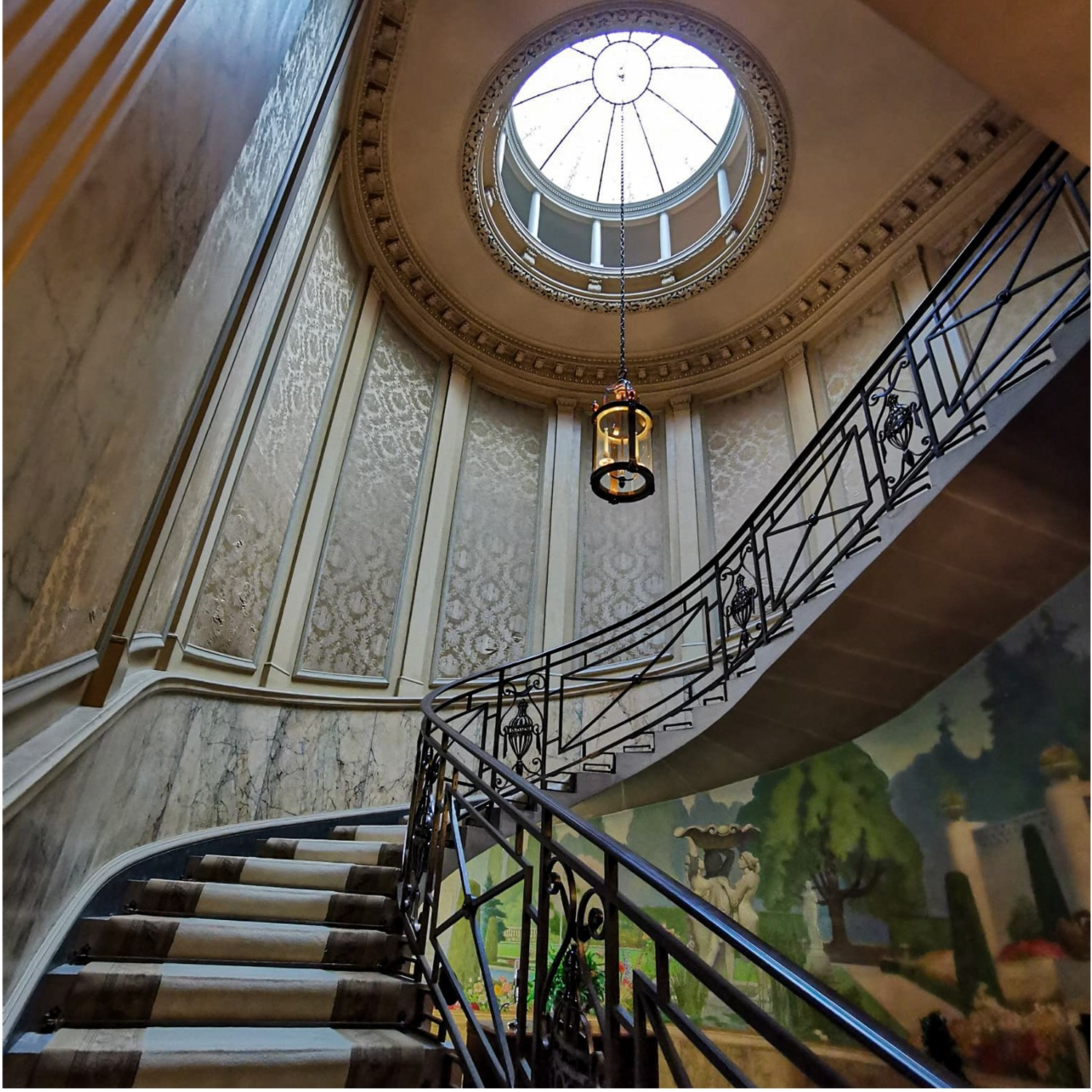
The staircase is like the spine of the house. For something this important, architect John Darling has designed a space that whispers elegance with a light color tone.
At the bottom, is a small reception area with a mural of an English style garden. The sleek staircase with wrought iron railings and white Lilac marble moldings leads to the upper floor.
Instead of an extravagant chandelier, a simple pendant lantern ceiling is used. The split-level glass dome skylight with Tuscan pillars and craved vine scrolls molding lets in natural light.
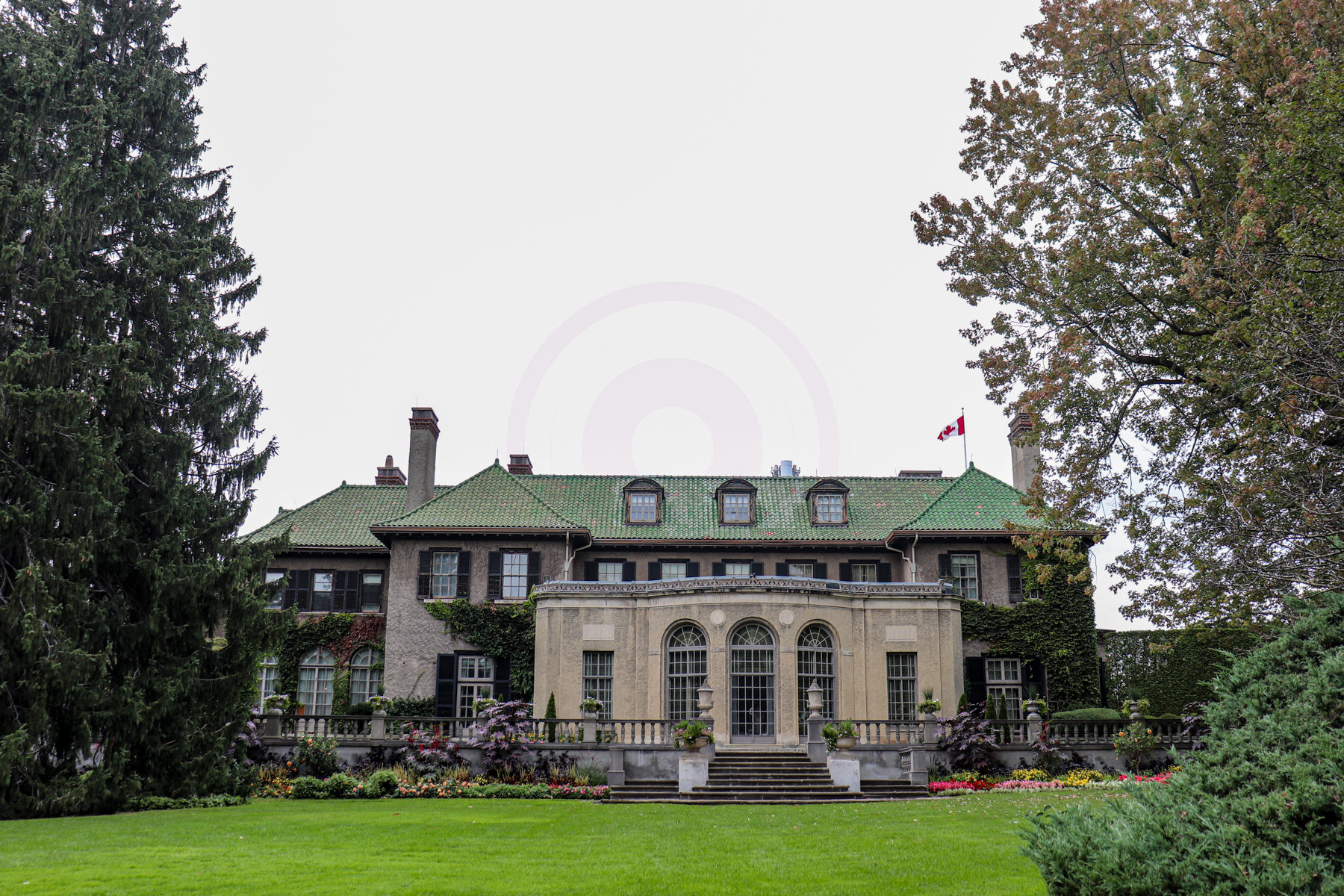
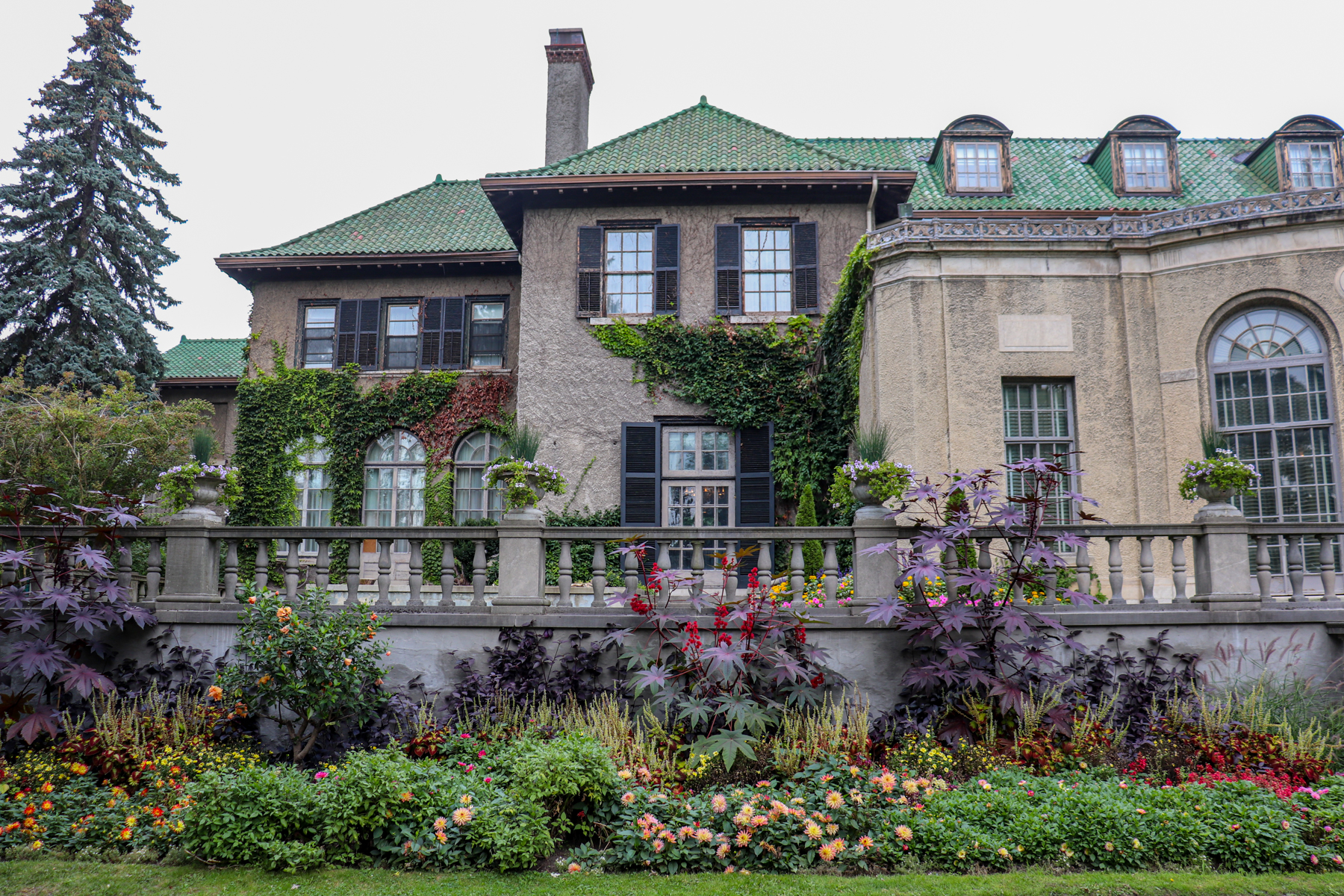
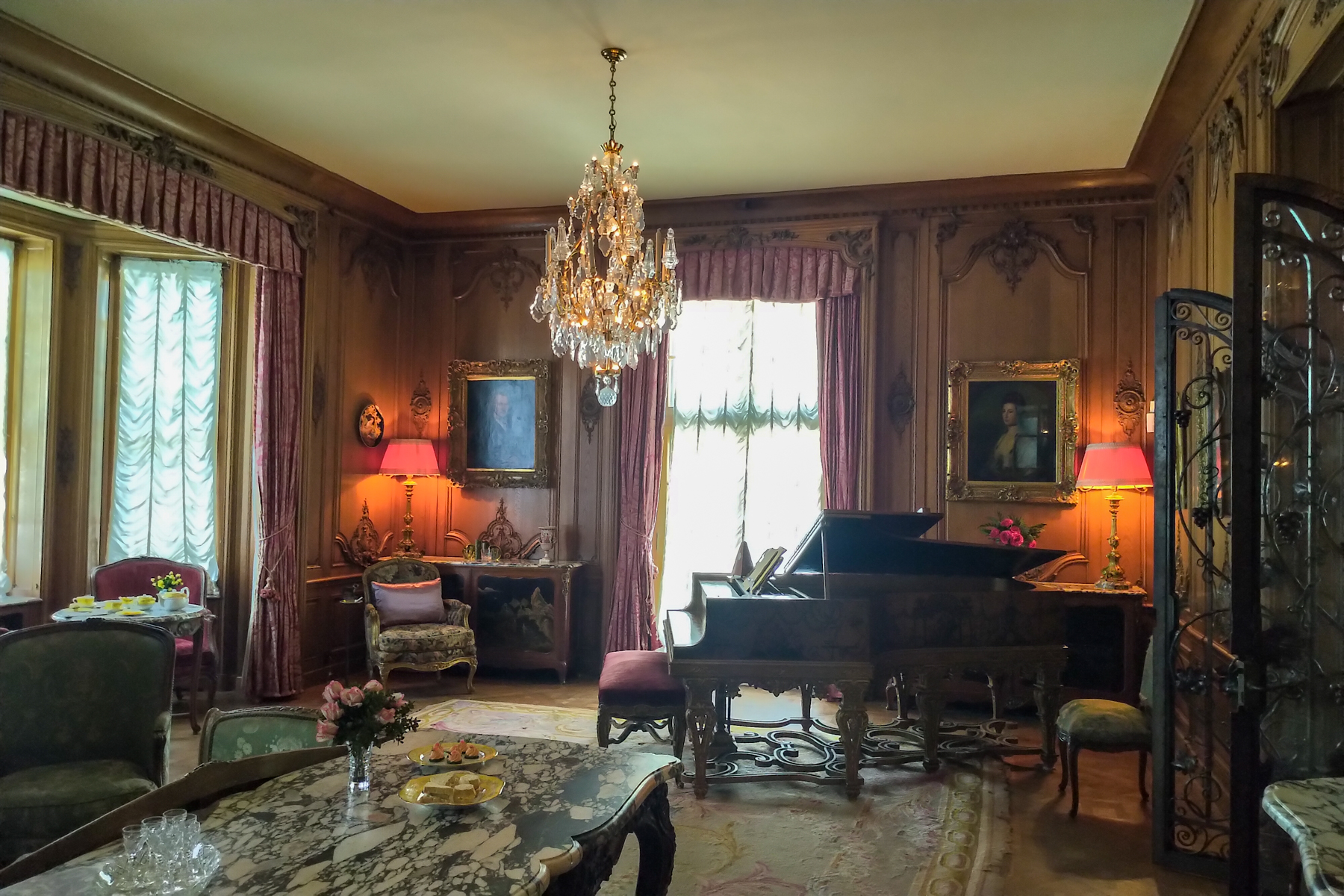
The design of the house is a blend between classic and modern luxury, reflecting the interwar periods between 1920s and 30s.
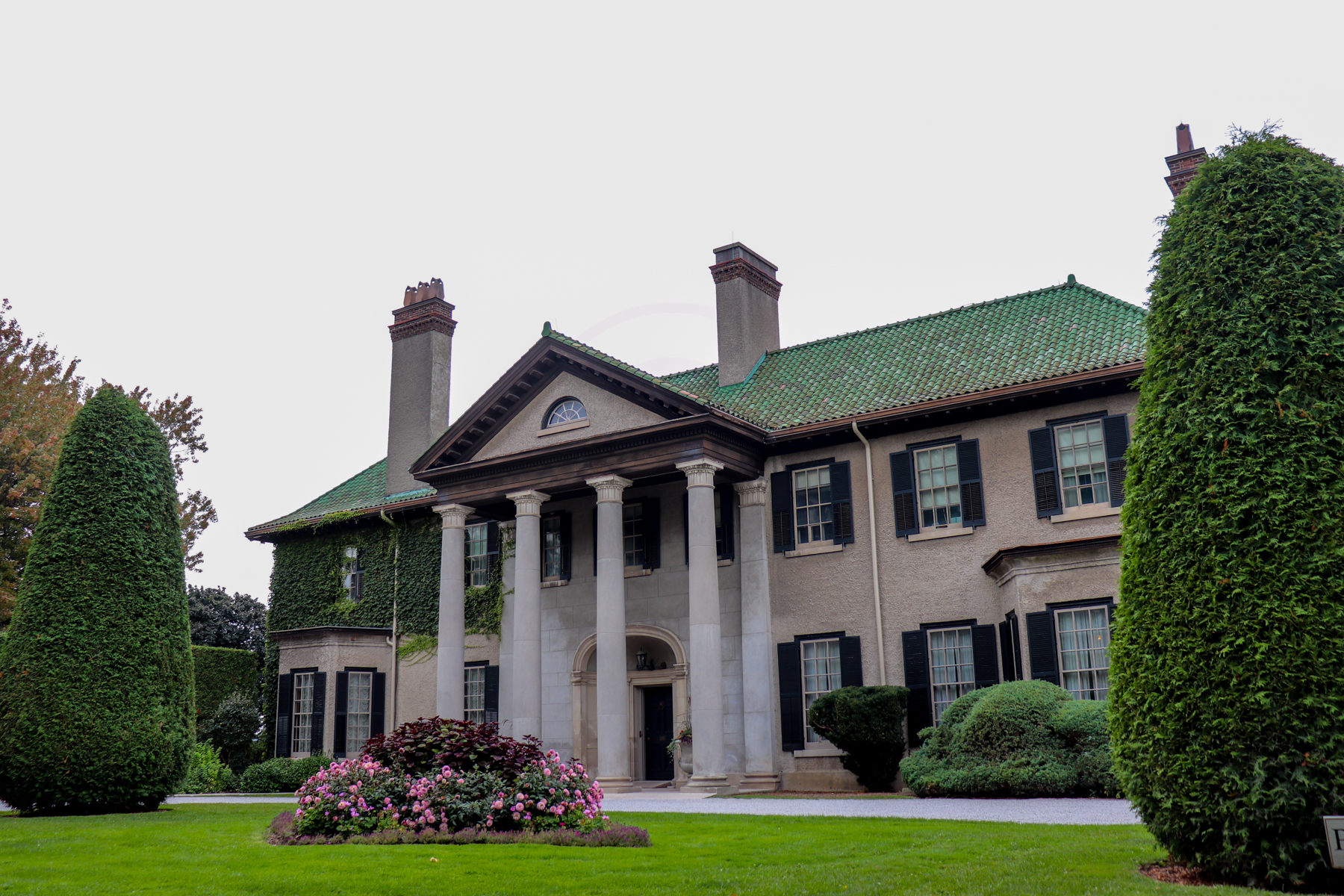
The pillars at the front entrance and symmetric proportions are Classic Revival in style. The dining room and drawing room are traditionally designed.
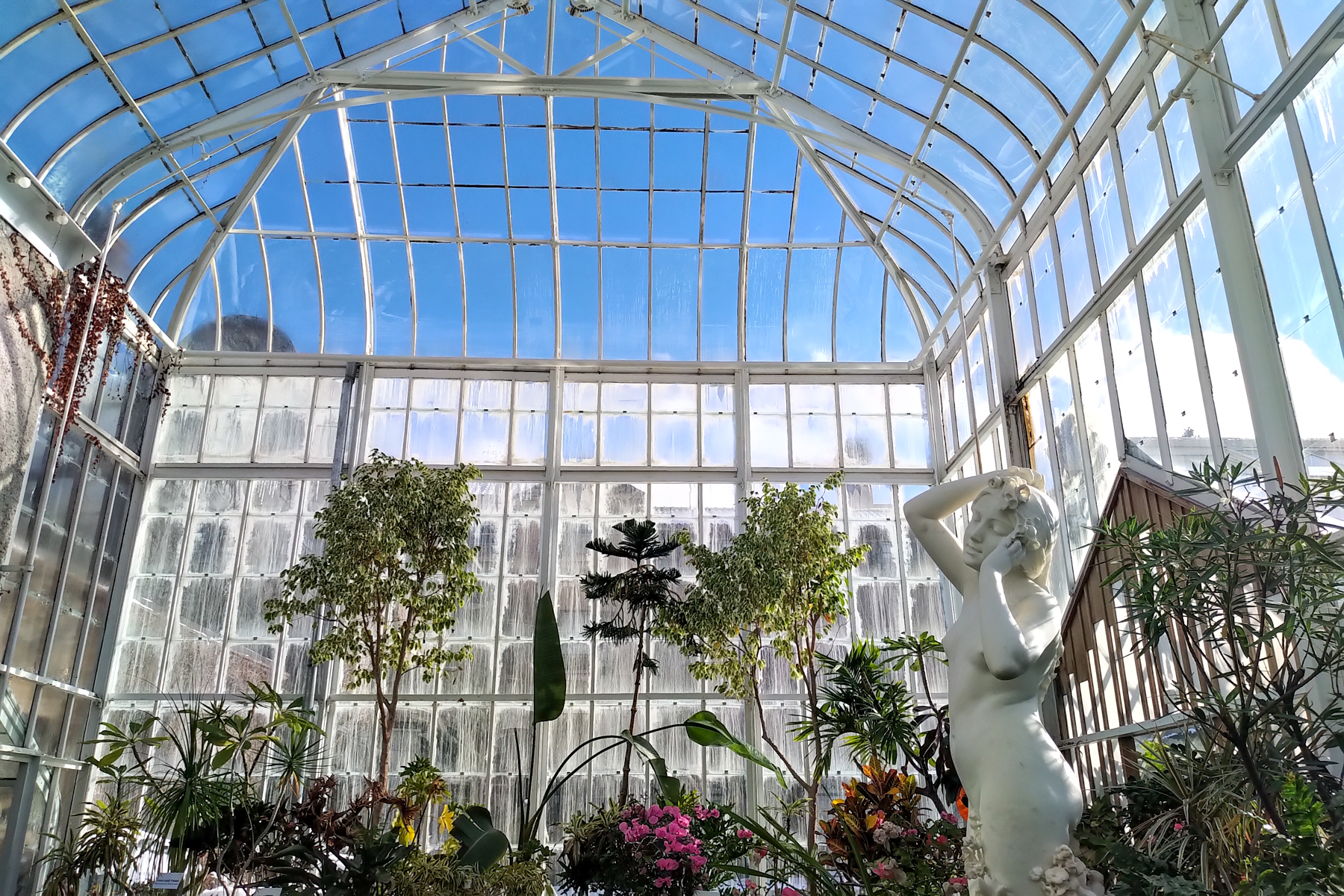
The indoor pool and foyer later added in 1930s with more simplified lines is Art Deco with a hint of East Asian influence from the Ming Dynasty goldfish bowl turned bamboo planters.
At its peak, Parkwood Estate had 11 greenhouses employing 24 gardeners.
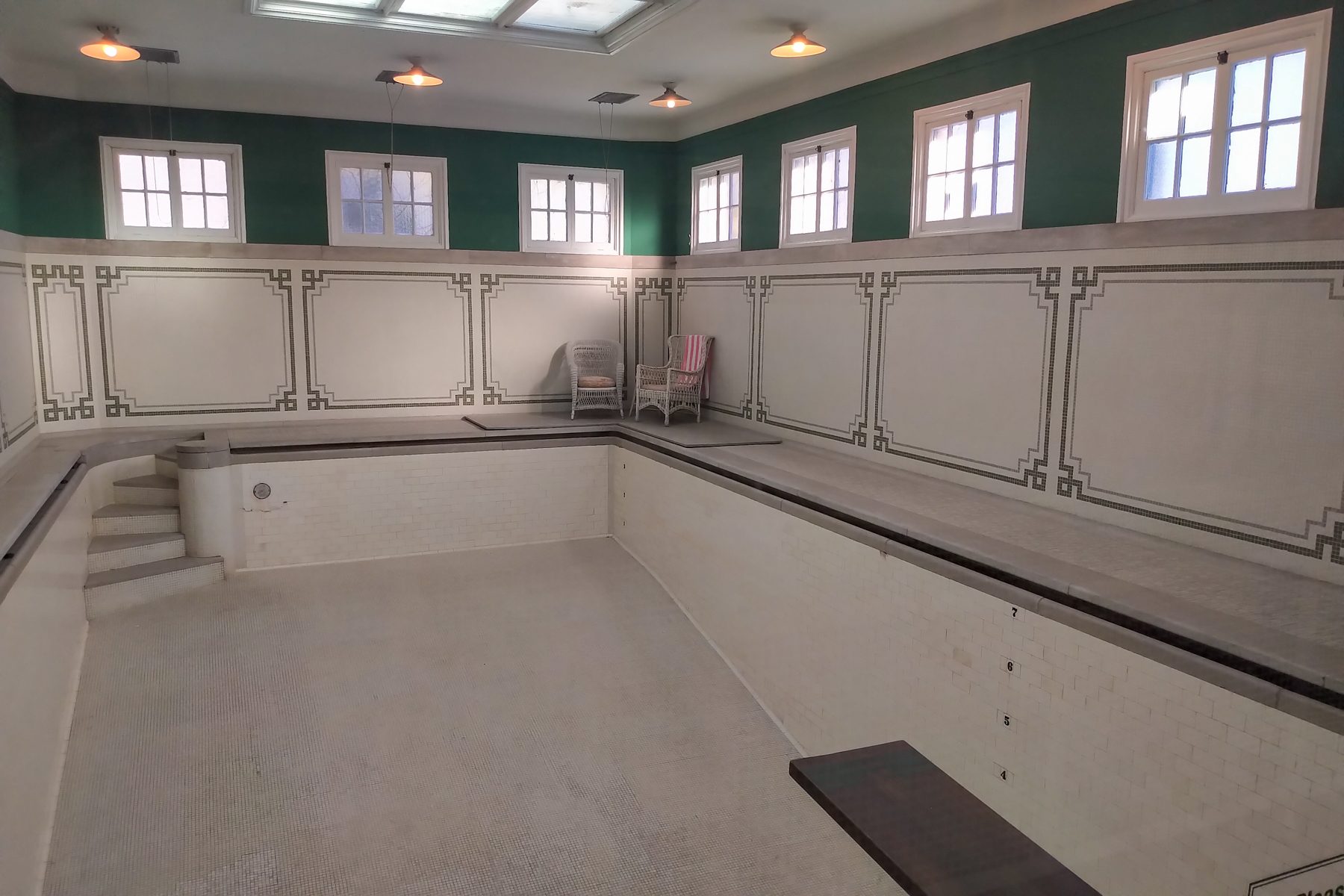
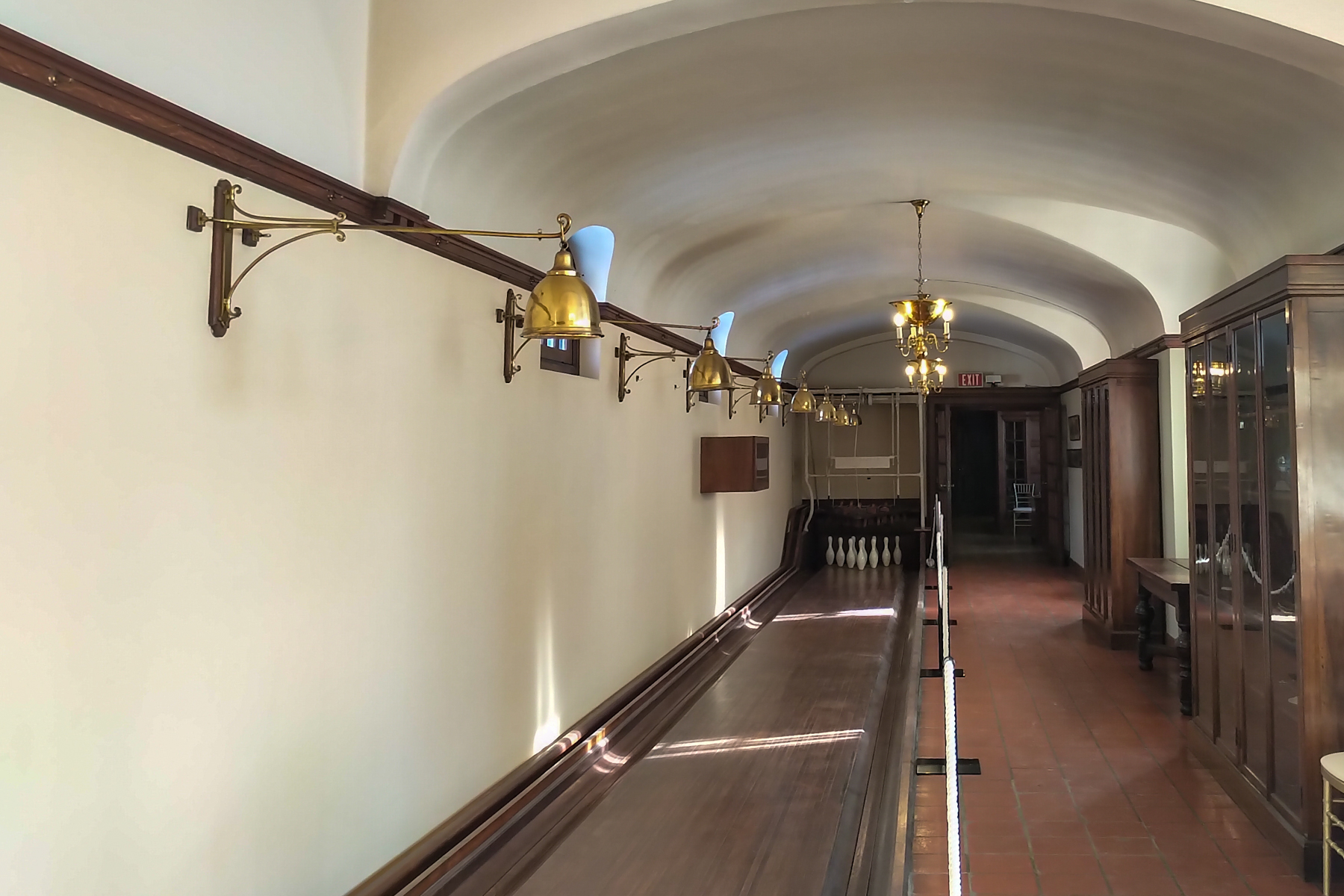
The house has a private bowling alley, elevator, central vacuum system, squash court and indoor swimming pool, truly reflecting the status and wealth of its owner.
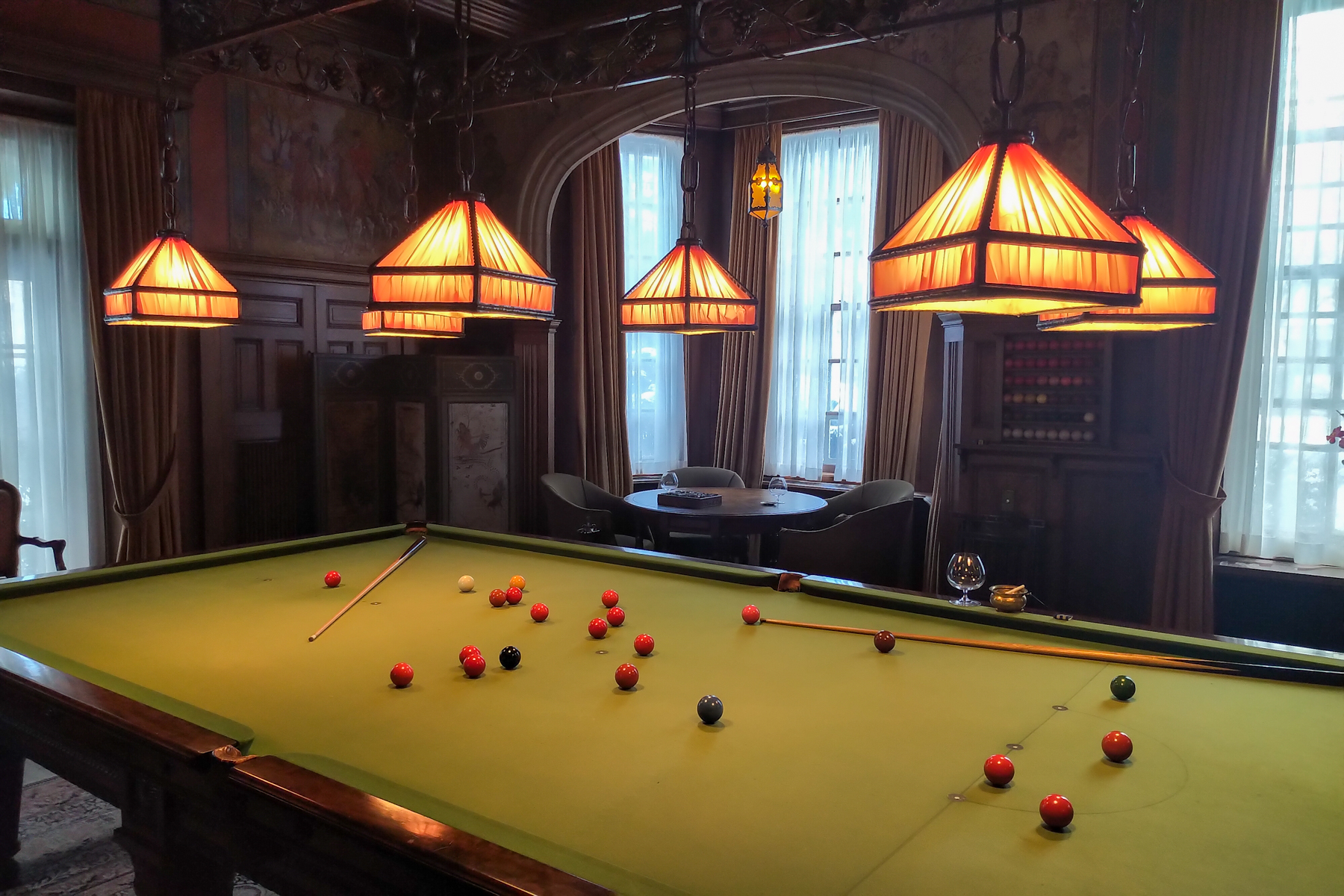
Parkwood Estate is a popular location for film production. Over the years, over 100 movies and TV shows have been filmed at the estate, including X-Men, The Tuxedo, Bulletproof Monk and Star Trek. A popular Canadian TV show during the 1980’s, Seeing Things also incorporated the bowling alley into the script.
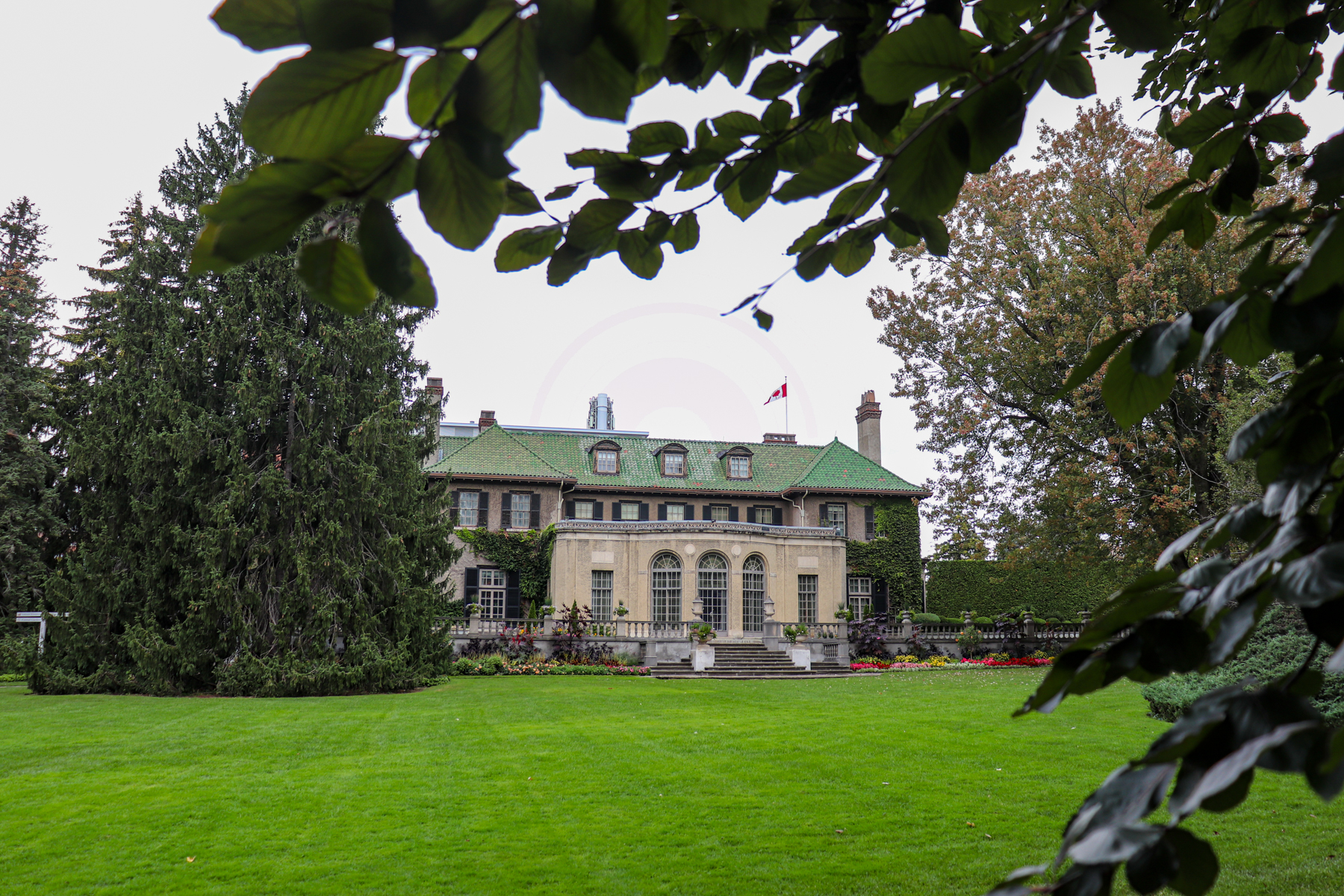
Shortly after the family took residence in 1917, landscape designers Harries & Hall were engaged to design a fitting setting for the mansion. This was achieved by linking each principal room of the house to a terrace or garden area just outside and finally out into the beautiful wooded park.
The site was further refined during the early 1920’s by H.B. and L.A. Dunington-Grubb. The husband and wife design team created spectacular outdoor “garden rooms” including the Italian Garden, Sundial Garden, Summer House and the Sunken Garden. They also refined the South Terrace and designed the intricate lattice fencing for the tennis court and Italian Garden. (Source Parkwood Estate Website)
The Dunington-Grubbs were influential in the development of their profession, were the founding
members of the Society of Landscape Architects as well as Sheridan Nurseries. Sheridan Nurseries is still thriving today and remain generous supporters of the Parkwood Foundation. (Source Parkwood Estate Website)
270 Simcoe Street North, Oshawa
https://www.parkwoodestate.com/
 Prev Post