





 August 28, 2025
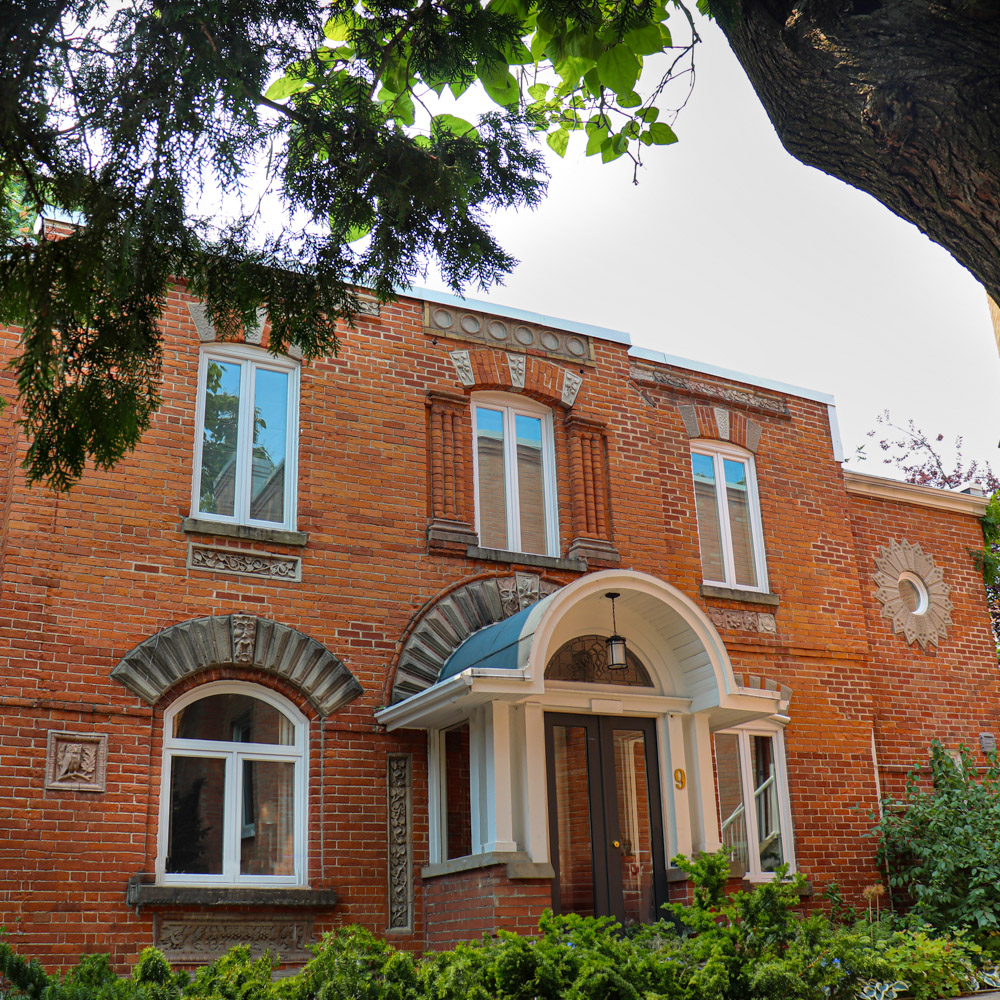
Hidden from main street, located within a townhouse complex, this house once belonged to Canadian painter and illustrator, Charles William Jefferys.
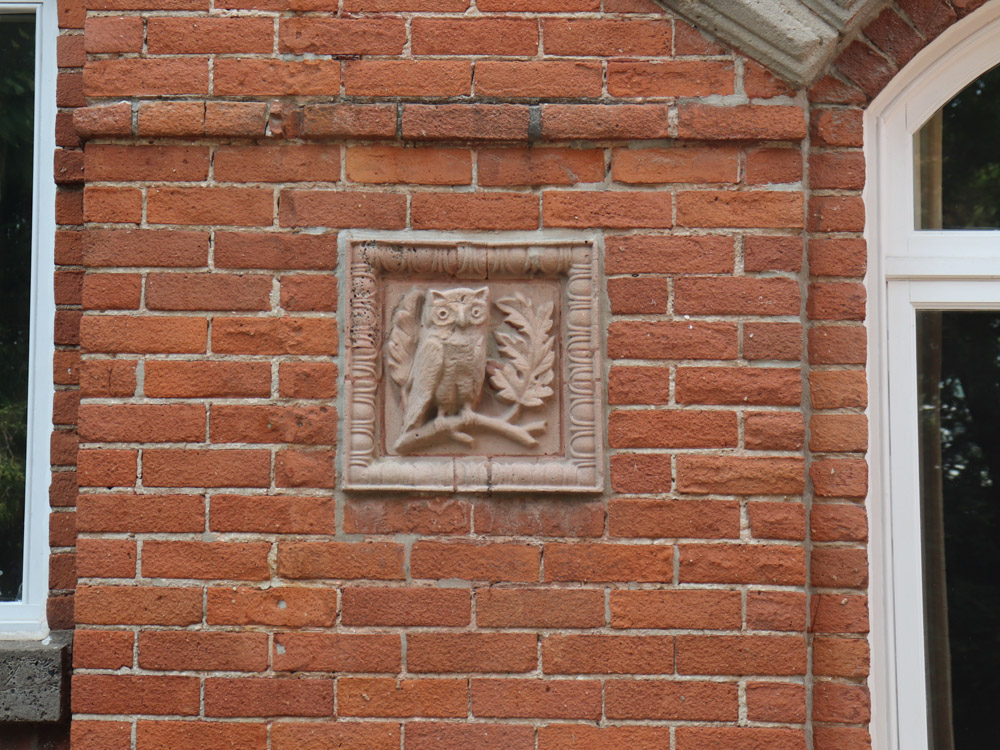
According to the current owner, C.W. Jefferys’ dad was a builder. He would take elements and “left-over” pieces from different projects and implement them in the design of his own home.
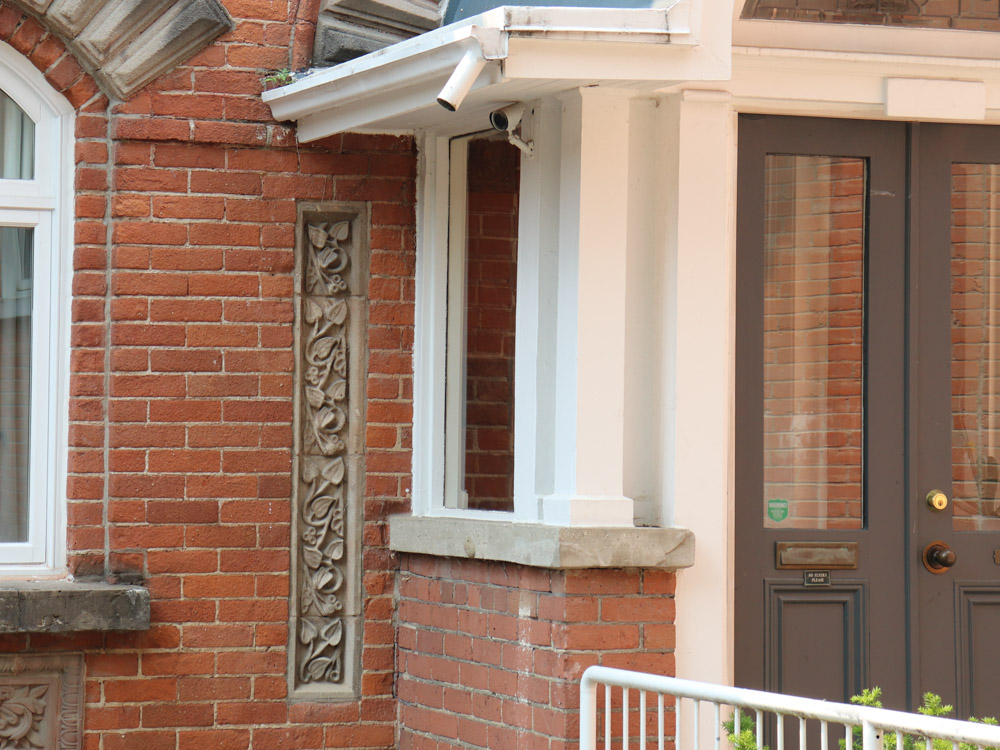
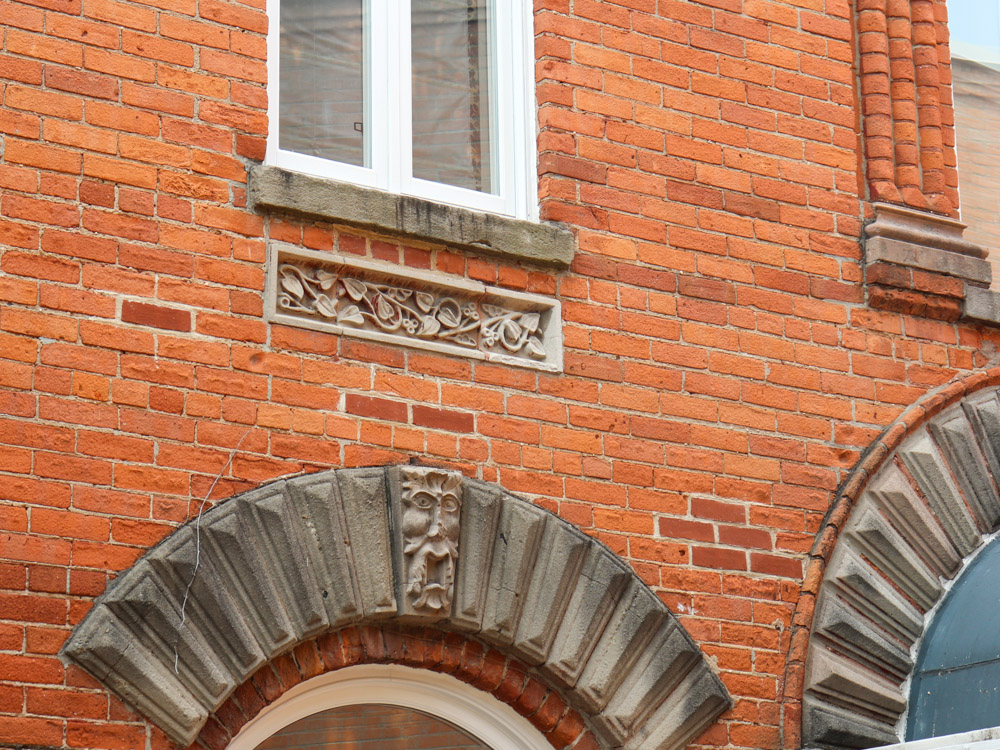
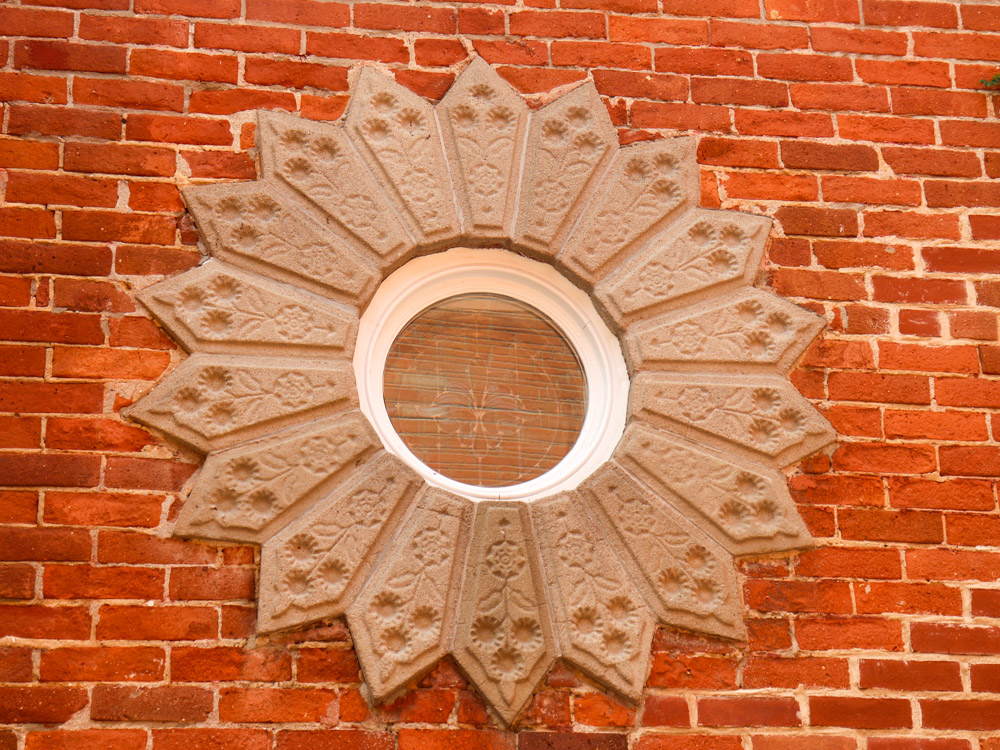
The front façade is filled of his dad’s “architectural doodles” in vines, fruits, grotesque and different floral patterns. The most unique one is perhaps the terracotta owl carved on the left side of the house, hence the name “Owl House”.
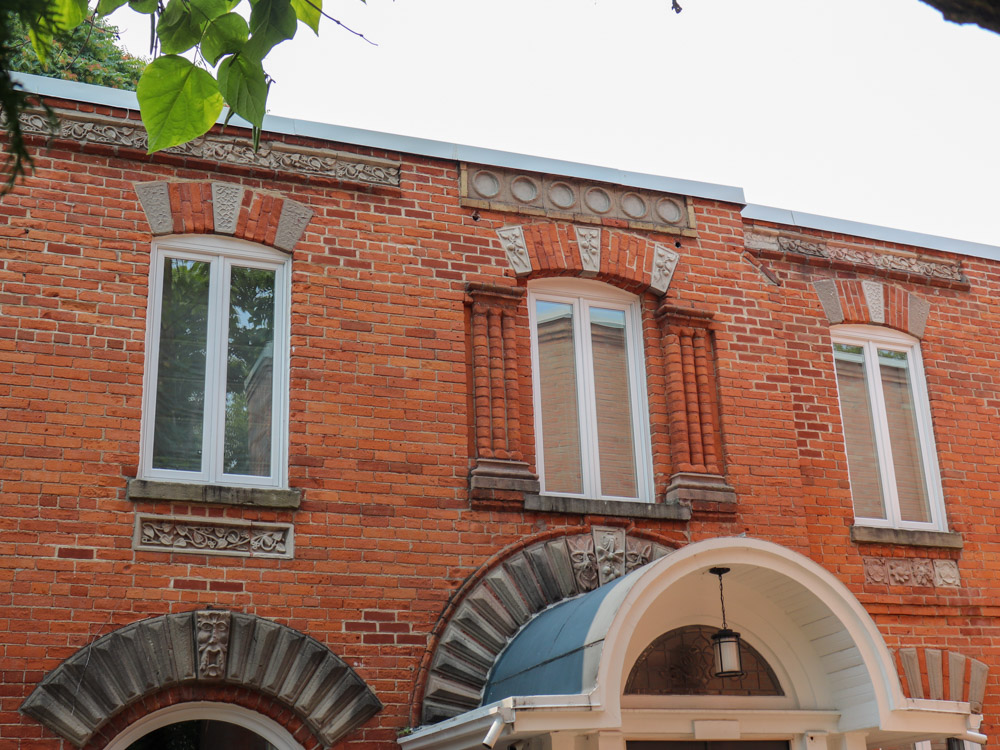
The overall design is asymmetrical and playful. Within its relatively small frontage, an intense amount of design is packed within.
While C.W. Jefferies was living in Cabbagetown, the area was also undergoing rapid urbanization. With a desire to be closer to nature, C.W. Jefferys moved to Hogg’s Hollow in his later years.
One of Jeffreys’ most significant contributions was his series of works that focused on Canadian ships, coastal regions, and naval history. This was particularly fitting given his background and the importance of the maritime industry in Canada’s economy at the time.
In addition to painting, Jeffreys was also an illustrator and a writer. He contributed illustrations to various Canadian publications, and his work was featured in books and magazines of the time.
That very house, which is now across the street from Auberge du Pommier, a French fine dining restaurant, still stands today.
390 Wellesley Street East, Cabbagetown
 Prev Post