




 August 14, 2025
In Canada’s national anthem, the phrase “True North strong and free” makes geographical reference to Canada’s location as one of the Northernmost countries in the world.
Being in upper Northern hemisphere makes Canada the easiest place to see the most spectacular astronomy display, Northern Lights (Aurora Borealis). It is also easier to spot The Northern Star, a crucial reference point for studying astronomy, as it remains stationary through the night, just like it guided American slaves and abolitionist to freedom in Upper Canada back in 1800’s via the “Underground Railway”.
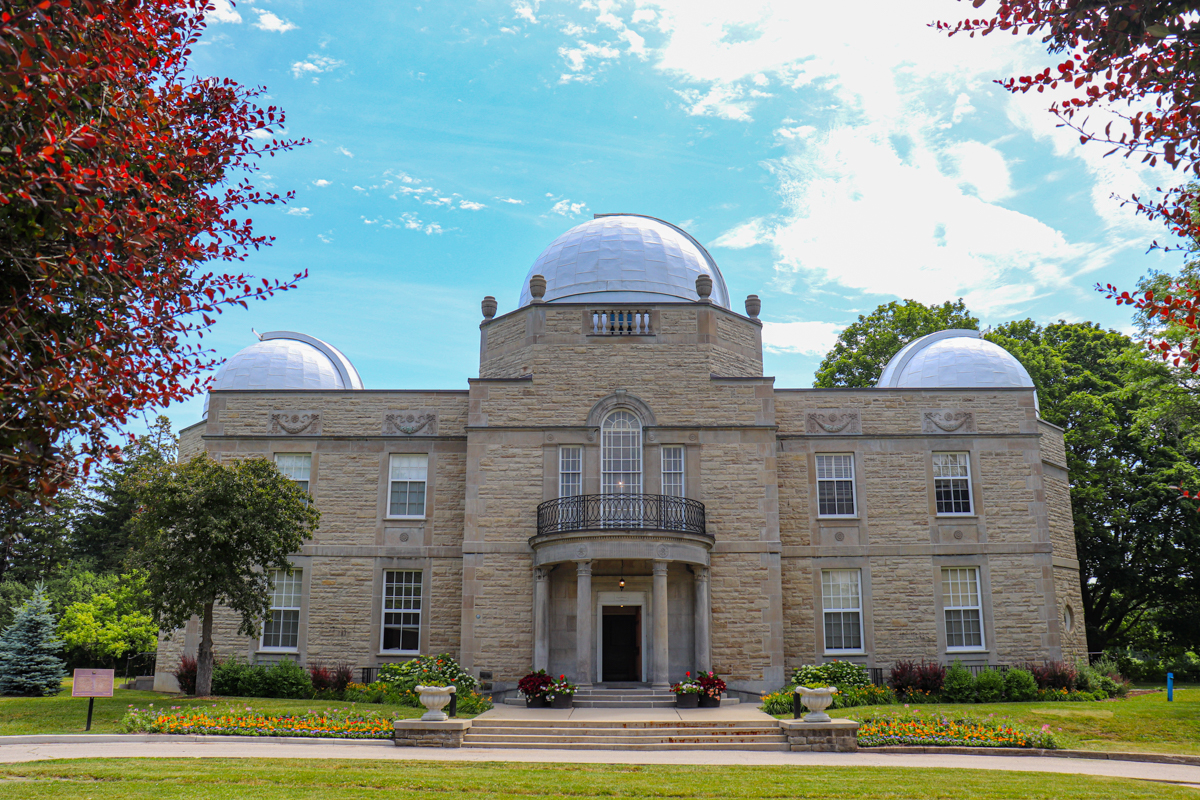
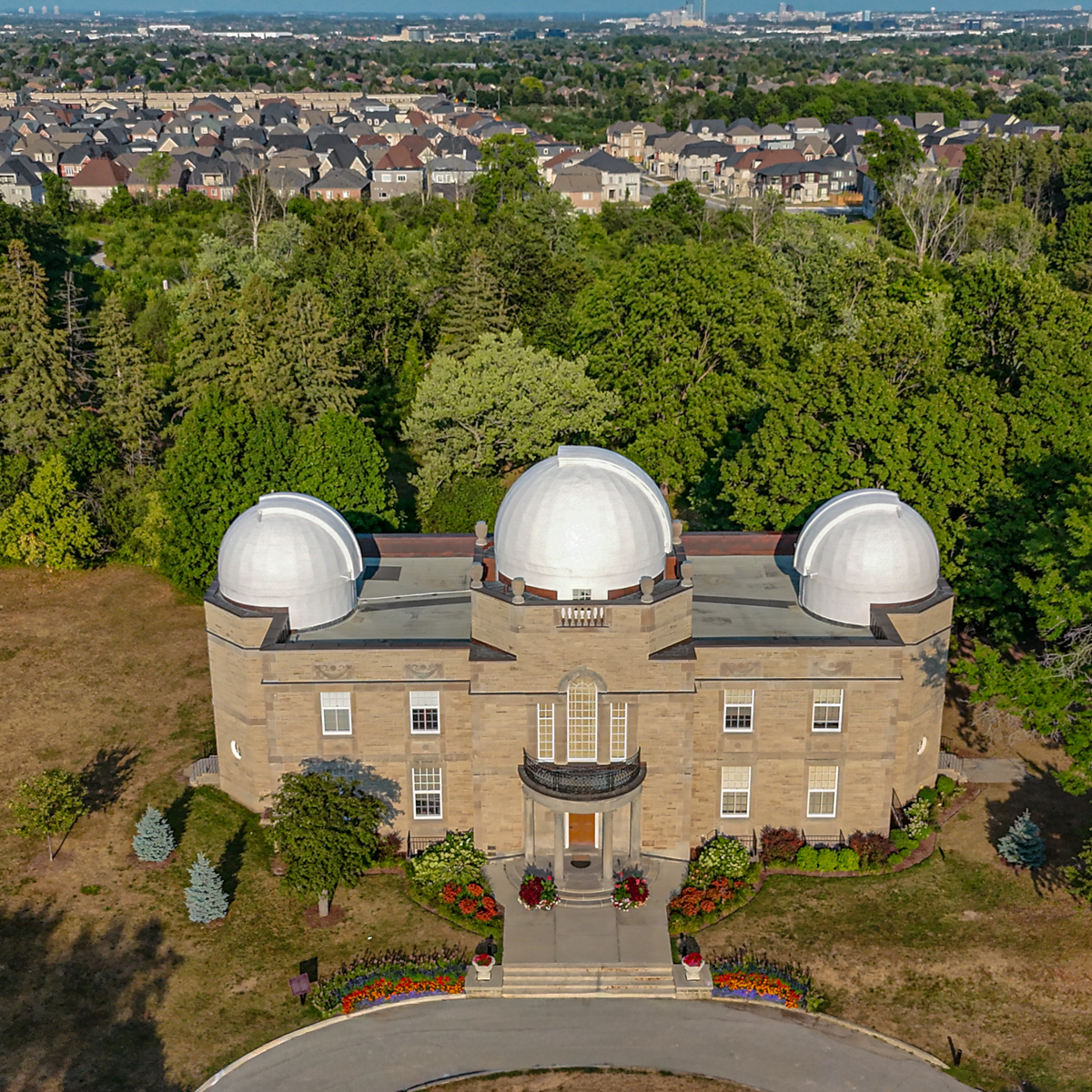
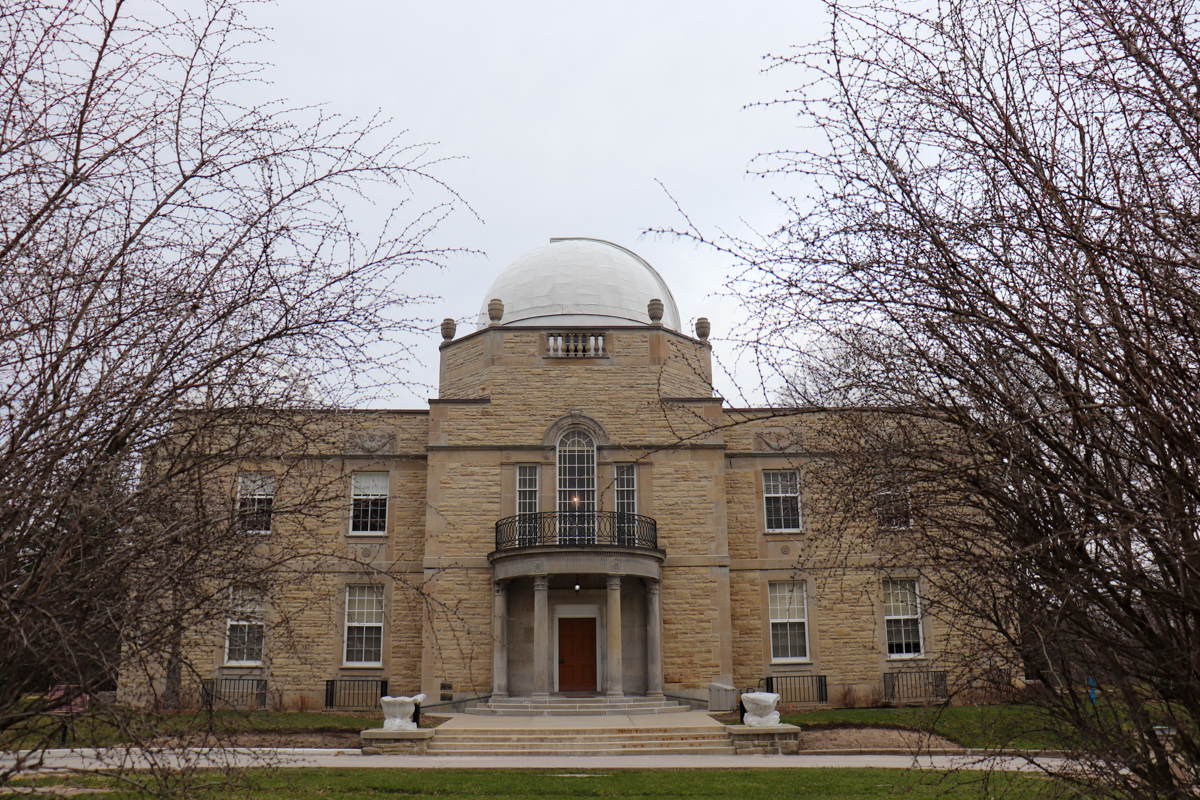
When Canadian astronomer, Dr. Clarence Chant first came to this hilltop at Elms Lea farm, he said, “this is the place”, not too far from university, but just far enough from the city lights. Perched on a small hill overlooking Richmond Hill and Thornhill is David Dunlap Observatory (DDO).
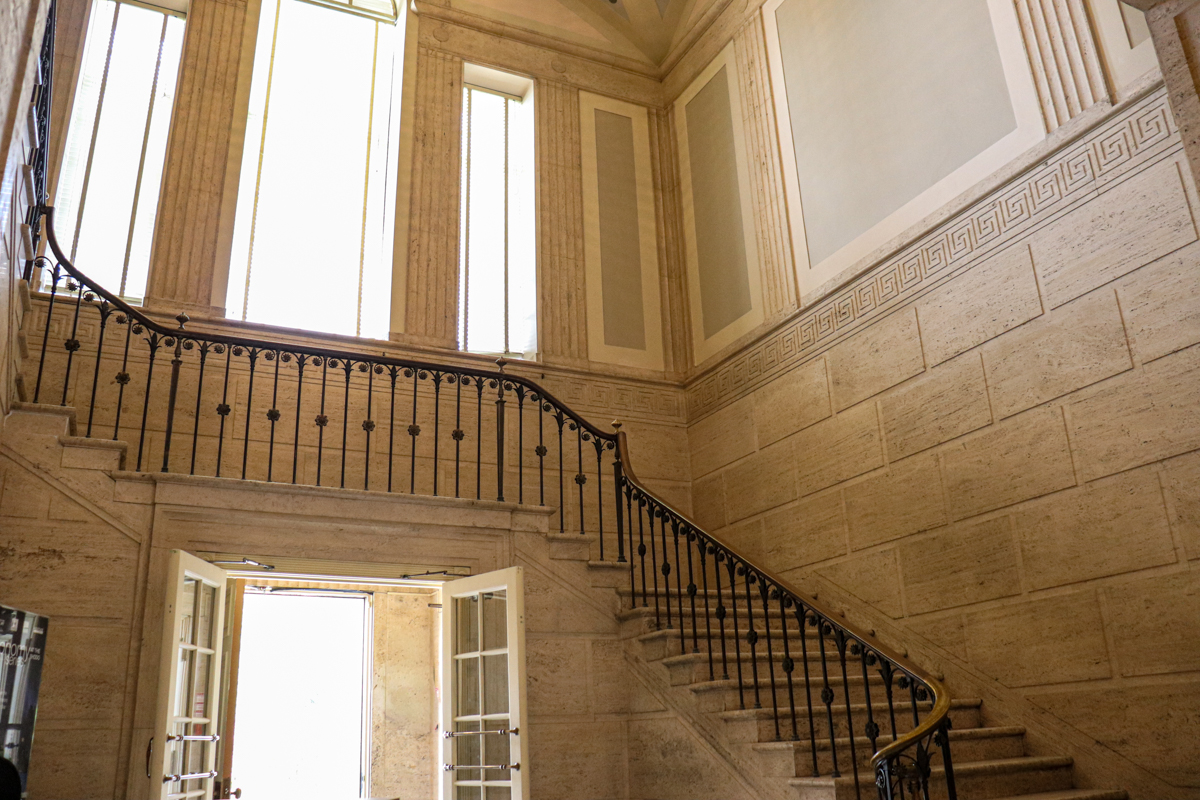
Designed by Mathers & Haldenby in 1935, the main administrative building is a fine example of Beaux-Arts style architecture. The exterior’s five bay façade is constructed with limestone and sandstone and Palladian style window with decorative keystone accents, displaying the elegance of symmetrical Beaux-Arts style.
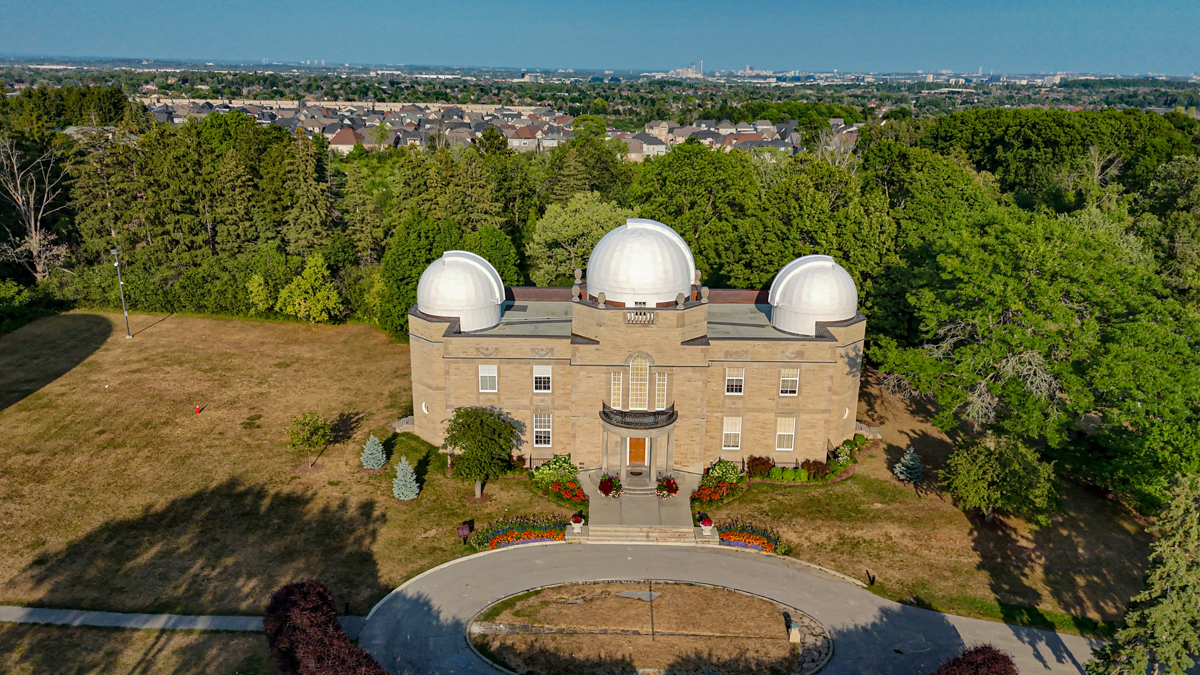
The landscape treatment in front of the building includes an “elliptical” drive and a “cosmic” island. Together, they symbolize Kelper’s Three laws of Planetary Motion.
The semi-circular portico is supported by Corinthian columns and Tuscan pilasters. The large portico creates space for an equal sized balcony on top with wrought iron railings.
The walls feature carved floral motifs and architrave with “the lamp of knowledge”, symbolizing the pursuit of knowledge and how it guides people through decision making, like a lamp provides light in darkness. The roof of DDO houses three observatory domes.
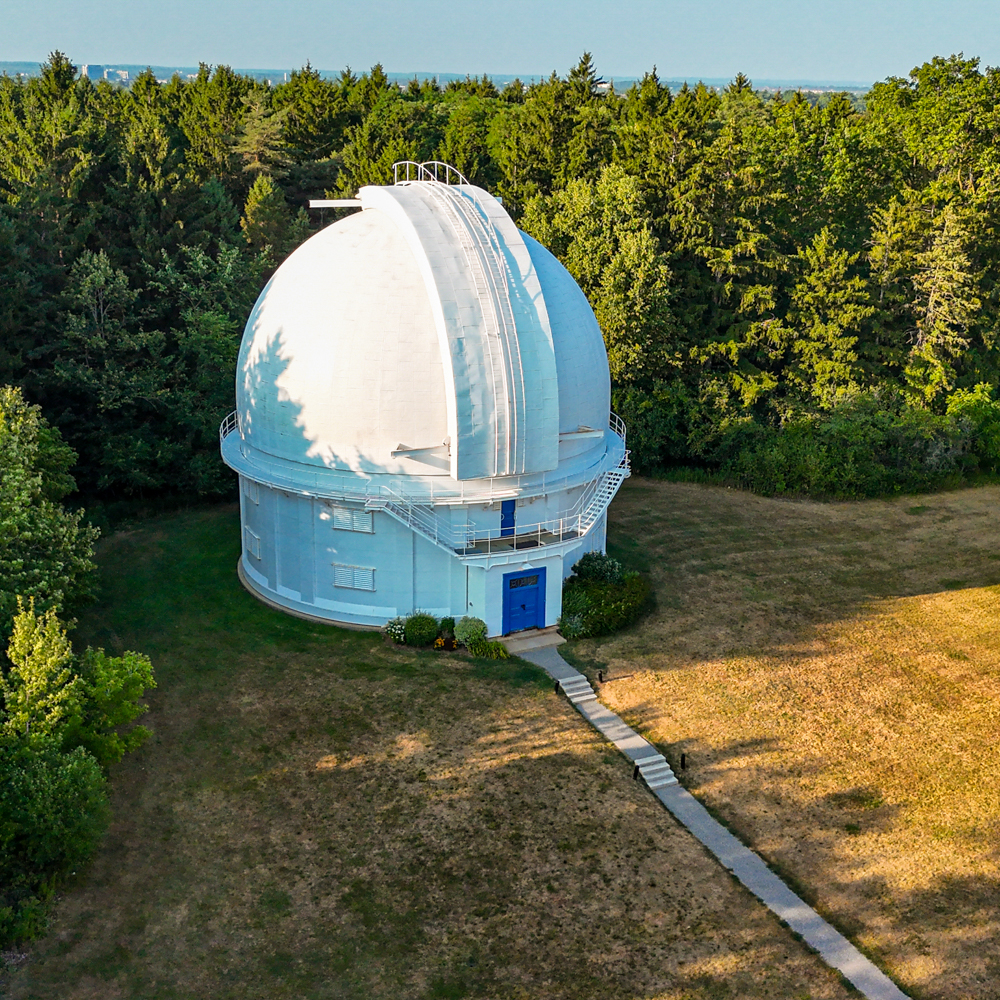
Beside the admin building sits the 74” main telescope. Built by Grubb-Parsons from England with the help of Coming Glass Works in New York, it was the largest telescope in The Commonwealth at that time.
The idea of DDO started back in 1921, when lawyer and mining businessman David Dunlap attended Chant’s presentation on the Pons–Winnecke Comet. Unfortunately, David Dunlap passed away before the observatory was built. David’s widow decided to name DDO after him as a monument to his husband.
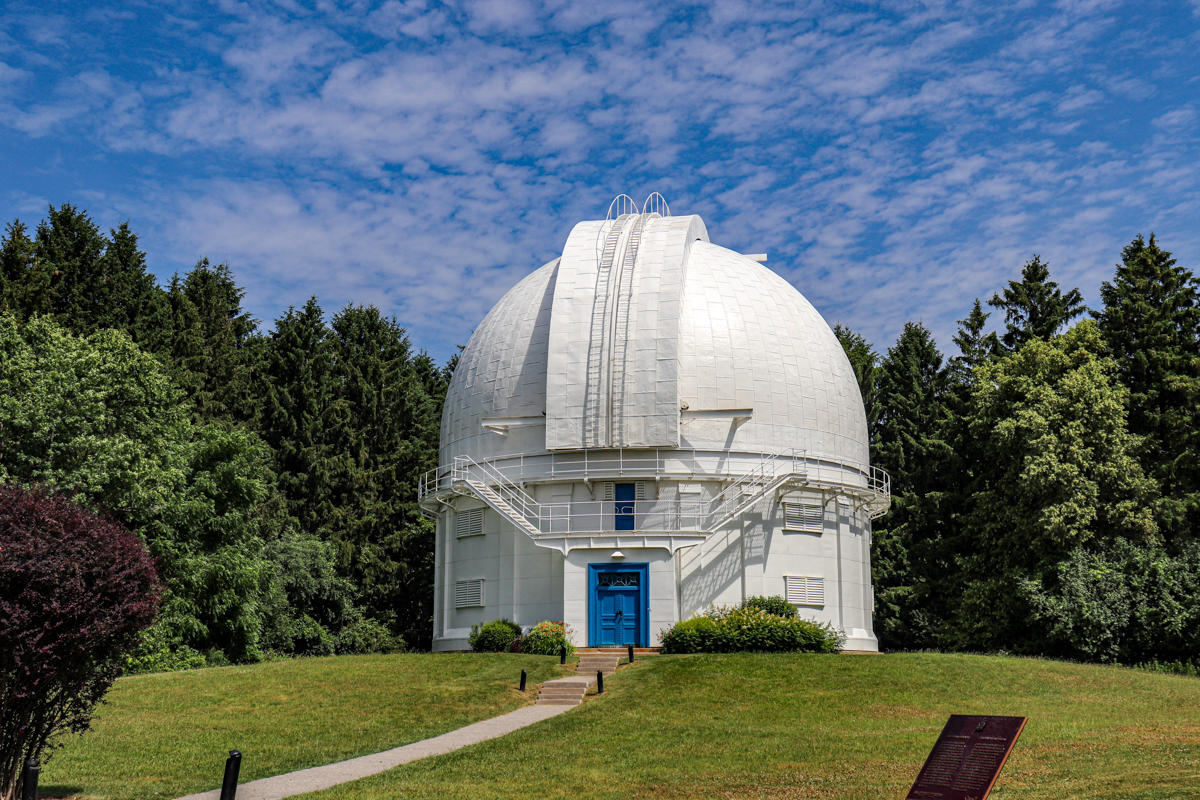
Over the years, DDO helped discover the “W” Star Cluster and map the outer regions of the Milky Ways.
As for the million-dollar question, “Are UFOs out there?”
According to Ian Shelton DDO astronomer, “they are out there, if by UFOs, you mean Unidentified Flying Objects. If, on the other hand, you mean spacecrafts from another planet manned by aliens, well, the jury’s still out on that one. We try to be open-mined and honest, we don’t just dismiss.”
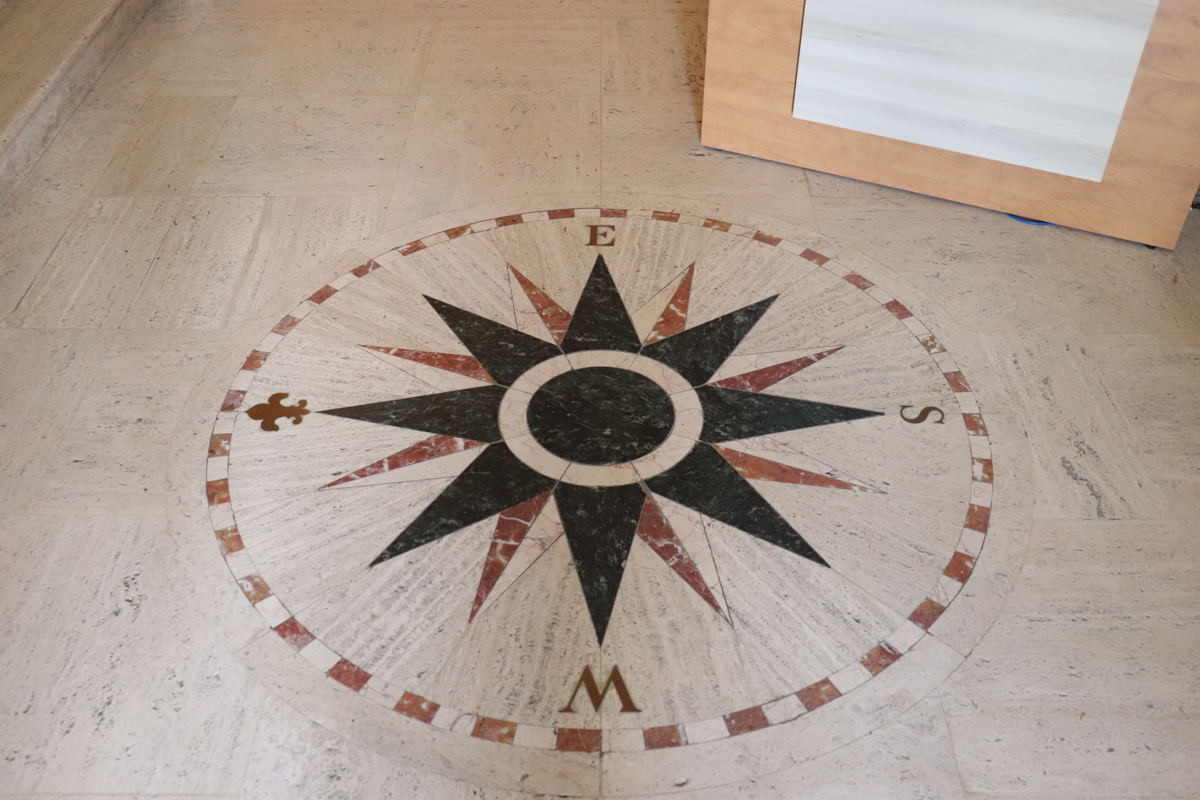
The streets name around the residential area of DDO such as Night Sky Crescent, Milky Way Drive, Meteorite Street, Orbit Ave, Solar Street are named after DDO.
123 Hillsview Drive, Richmond Hill
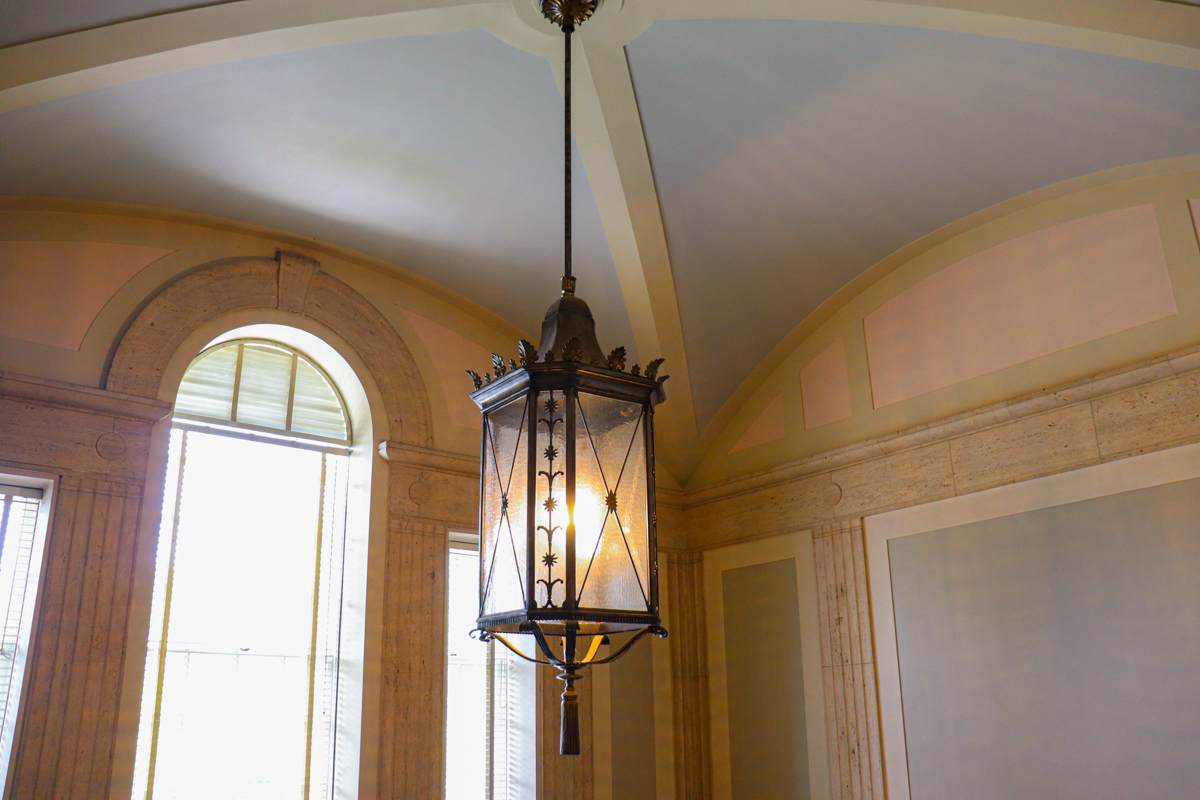
Reporter showing the interior of main telescope (Source, YouTube / City News)
Short History of David Dunlap Observatory (Source, YouTube / RASC Toronto)
Excerpts of Followers’ Comments from Instagram Post
@electrcsheperd This was a gift from his widow. His home is occupied by the president of the University of Toronto
 Prev Post